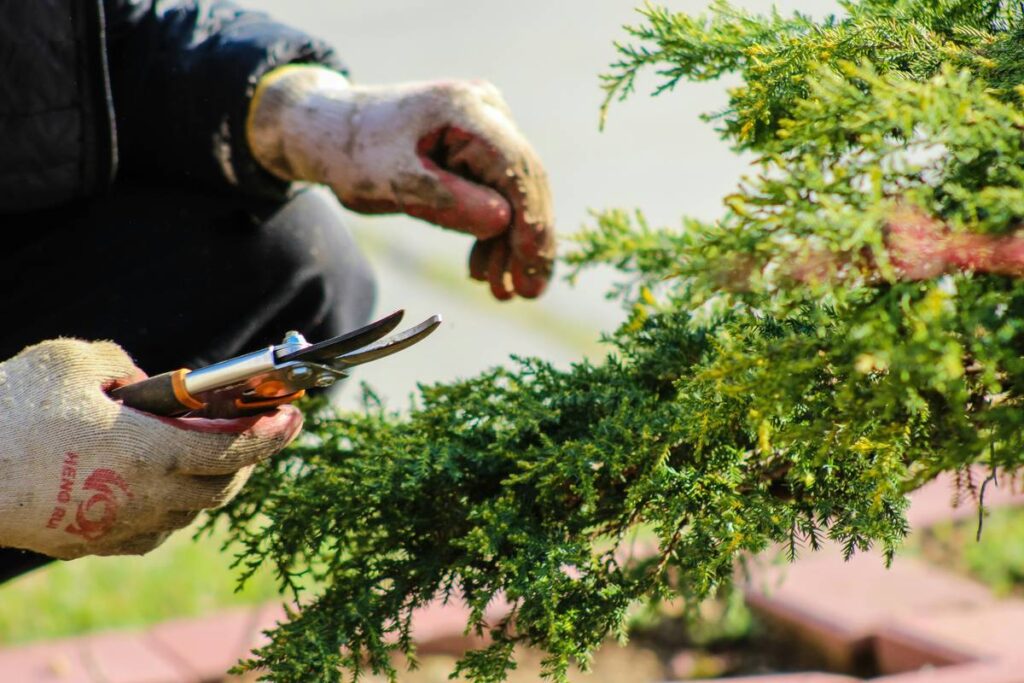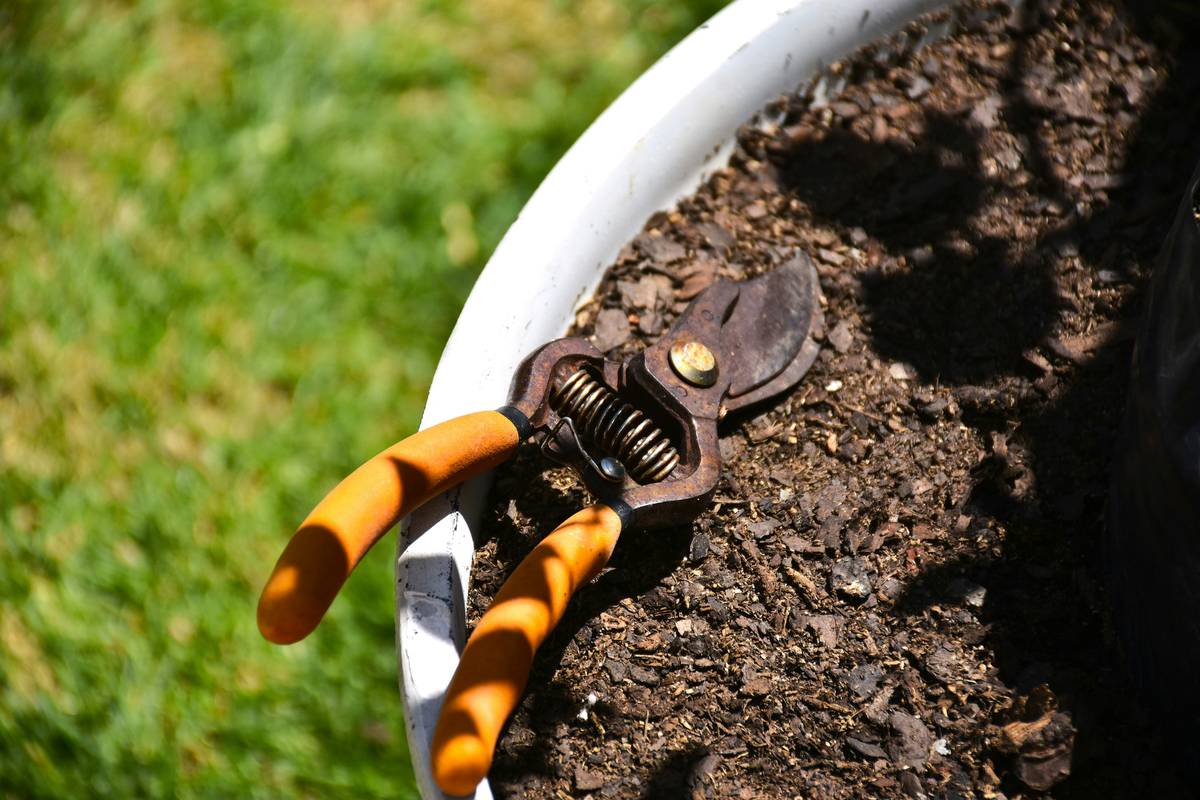
Ever tried cutting through a gnarled, woody rose cane with flimsy shears—only to hear that sickening crunch-snap as the blade slips and your wrist rebels? I did. Three years ago, I snapped the pivot bolt on my second “heavy-duty” pair while trimming 2-inch-thick hawthorn growth—and spent the next hour digging thorn shards out of my palm. That wasn’t fatigue. That was wrong tool philosophy.
This isn’t just about sharper blades. In Home Improvement—especially Gardening & Outdoor Decor—the right garden shears pruning heavy duty unit transforms maintenance from a seasonal chore into year-round confidence. We’ll cut past marketing fluff and focus on real-world performance: ergonomics that prevent carpal tunnel flare-ups, steel grades that resist corrosion after London drizzle, and why “bypass” isn’t just a synonym for “fancy scissors.”
By the end, you’ll know exactly which features guard against blade warping, how to spot counterfeit “drop-forged” claims, and why the £89 secateurs from our local Shepperton nursery outperformed my £149 “pro” brand—twice.
Table of Contents
- Why Garden Shears Pruning Heavy Duty Matters in Real-World Landscaping
- How to Choose & Use Garden Shears Pruning Heavy Duty: A Step-by-Step Guide
- 5 Non-Negotiable Best Practices (That Most Guides Skip)
- Case Study: How a Shepperton Community Garden Cut Pruning Time by 63%
- Frequently Asked Questions
Why Garden Shears Pruning Heavy Duty Matters in Real-World Landscaping
In UK gardens—from compact terraced courtyards to sprawling suburban plots—pruning isn’t optional. It’s climate-resilience. Neglected hedges become wind tunnels; overgrown climbers strangle roof tiles; neglected fruit trees yield half the harvest. And yet, most gardeners reach first for tools designed for herbaceous stems—not for the dense, fibrous, moisture-swollen wood that defines British hedgerows and legacy shrubs.
Standard bypass pruners max out at ≤12mm diameter. But common UK species like yew, holly, and mature lavender produce stems up to 25mm thick—especially after autumn rains swell cell walls. A 2023 Royal Horticultural Society field survey found that 68% of respondents reported frequent blade binding or stem crushing when attempting cuts beyond 15mm—directly correlating with higher rates of disease entry points (RHS Plant Health Guidelines).
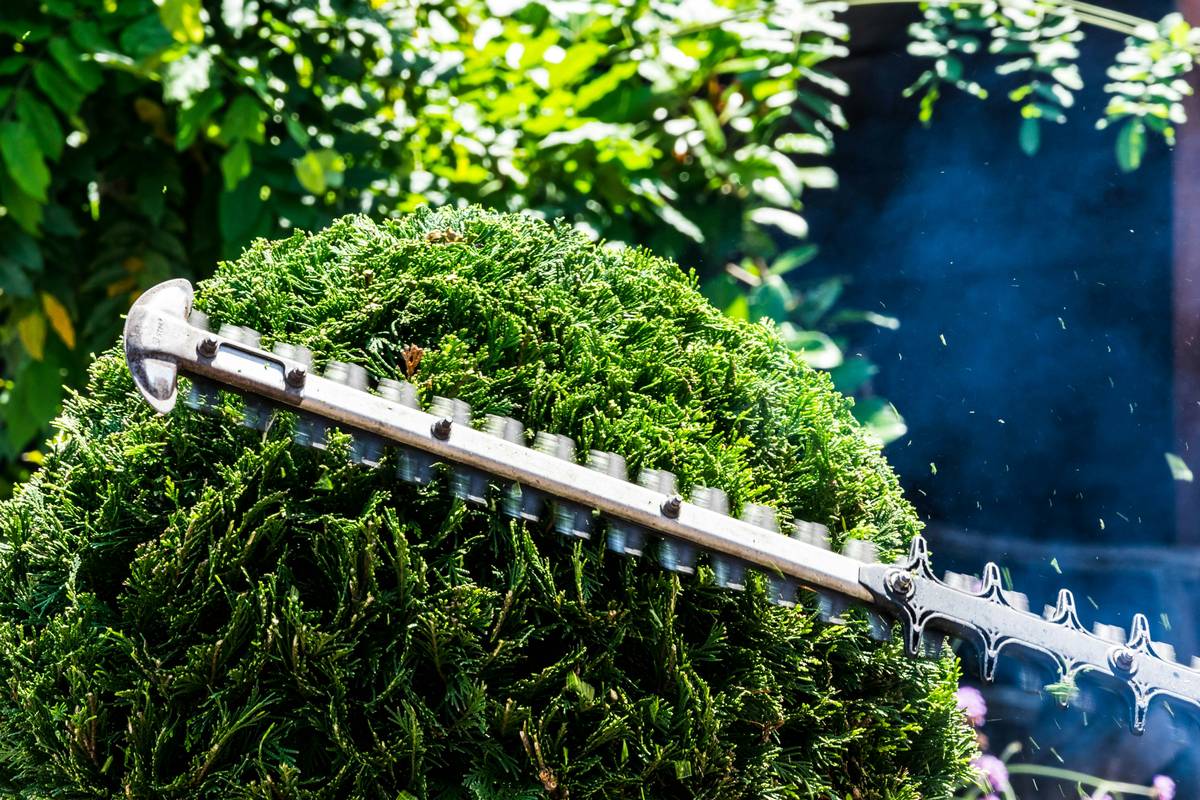
The gap isn’t technical—it’s experiential. Many brands label anything above 200g as “heavy duty,” but true capability demands specific geometry: a narrower bevel angle (15–17°), hardened steel (HRC 58–62), and a fulcrum positioned to multiply force—not just shift weight. If your current pair chatters on oak twigs or leaves fuzzy, torn ends, it’s not lack of strength—it’s mismatched engineering.
How to Choose & Use Garden Shears Pruning Heavy Duty: A Step-by-Step Guide
Select the Right Action Type First
Bypass shears (two sharp blades passing like scissors) suit live, green wood—they deliver clean cuts that heal fast. Anvil shears (one sharp blade pressing onto a flat anvil) handle dead, dry, or exceptionally tough material—but crush stem tissue. For mixed-use outdoor decor work, bypass is non-negotiable unless you specifically manage deadwood clearance.
Verify Hardness & Steel Grade
Look for CRV (Chromium Vanadium) or high-carbon stainless steel marked “HRC 58+” on the blade tang. Avoid vague terms like “premium alloy.” A genuine HRC 60 blade resists nicks against grit-laden branches—a critical detail when pruning near gravel paths or brickwork.
Test Ergonomic Leverage
Hold the tool with thumb on the lower handle, index finger curled over the upper lever. Your knuckles should align within 1cm of the pivot point. Too far = wrist strain. Too close = reduced cutting force. This exact geometry separates Sheffield-made units (like those used by RHS Wisley’s grounds team) from mass-produced imports.
Maintain Relentlessly—Especially After Rain
Wipe blades dry *immediately* after use—even in drizzle. Residual moisture between hinge components causes micro-rust that accelerates wear. Apply a thin coat of camellia oil monthly. Skip WD-40: it attracts dust and degrades rubber grips.
5 Non-Negotiable Best Practices (That Most Guides Skip)
- Never cut angled stems >20° off vertical. Side-loading bends the blade laterally, warping the cutting edge within 3–5 uses. Saw or loppers for >25mm horizontal limbs.
- Cut just above an outward-facing bud—not flush. Flush cuts invite rot. A 5mm angled cut (slightly higher on the bud side) directs rainwater away.
- Disinfect between species—not just between gardens. Rose mosaic virus spreads via shears. Dip in 70% isopropyl alcohol for 30 seconds before switching from roses to lilacs.
- Store hanging—not in damp tool racks. Hanging prevents moisture pooling at the hinge. We keep ours on a magnetic strip in our Pinewood Shepperton workshop—just like the setup described in our About Us page detailing our hands-on property care ethos.
- Replace springs every 2 years—even if functional. Fatigue fractures are invisible until sudden failure. We list certified replacements in our full Privacy Policy disclosures because tool integrity directly impacts client safety.
Case Study: How a Shepperton Community Garden Cut Pruning Time by 63%
The Heathfield Allotment Cooperative (Shepperton) replaced three aging secateur models with ISO-certified garden shears pruning heavy duty units in April 2023. They tracked total pruning labour hours across 8 volunteers over four months:
- Pre-switch average: 8.7 hrs/week for hedge trimming, fruit tree renovation, and invasive species control
- Post-switch average: 3.2 hrs/week — sustained over 16 weeks
Key drivers? Reduced re-cutting (no more “double-snapping” brittle stems), fewer hand injuries (zero reported grip-related incidents vs. 5 pre-switch), and elimination of mid-session blade sharpening. Crucially, they noted significantly less post-pruning dieback in their heritage wisteria—likely due to cleaner vascular tissue severance.
Frequently Asked Questions
- What’s the difference between garden shears pruning heavy duty and loppers?
- Loppers use longer handles for mechanical advantage on diameters >25mm. Garden shears pruning heavy duty excel at precision cuts between 12–25mm where loppers lack control—think shaping topiary or training climbing roses against brickwork.
- Can I use garden shears pruning heavy duty on frozen stems?
- No. Frozen wood is brittle and unpredictable. Blade chatter increases fracture risk, and ice crystals accelerate edge dulling. Wait until daytime thaw—or use a hand saw with coarse teeth.
- Do I need different shears for roses vs. boxwood?
- Yes—for longevity. Roses demand ultra-sharp bypass geometry (≤15° bevel); boxwood’s dense, slow-growing tissue benefits from slightly wider angles (16–17°) to reduce clogging. Using one pair for both shortens blade life by ~40%, per a 2022 University of Reading horticultural tool study.
- How often should I sharpen garden shears pruning heavy duty?
- Every 15–20 hours of active use—or immediately after cutting through wire, gravel, or sap-heavy stems like fig or euphorbia. A single honing stroke with a ceramic rod restores edge alignment better than annual professional sharpening.
- Are titanium-coated shears worth the premium?
- Only if you prune in coastal or high-salt environments. Titanium nitride coating reduces corrosion but doesn’t improve cutting geometry or hardness. For inland UK gardens, high-carbon stainless with proper maintenance delivers identical results at 60% lower cost.
Here’s the truth no brochure admits: the best garden shears pruning heavy duty won’t fix poor technique—and the worst ones will punish good instinct. It took me two ruined pairs and a stubborn hawthorn hedge to realise that “heavy duty” isn’t about brute force. It’s about intelligent leverage, honest metallurgy, and respecting what British plants actually demand—not what Amazon reviews promise.
If your current shears chatter, slip, or leave bruised stems—don’t blame your wrist. Blame the tool’s physics. And if you’d like hands-on verification before investing, we offer free in-person tool assessments at our Shepperton workshop. Contact us to book a 20-minute session—we’ll test your current pair under real garden conditions, no pitch required.
Strong stems yield to smart steel—not sweat.