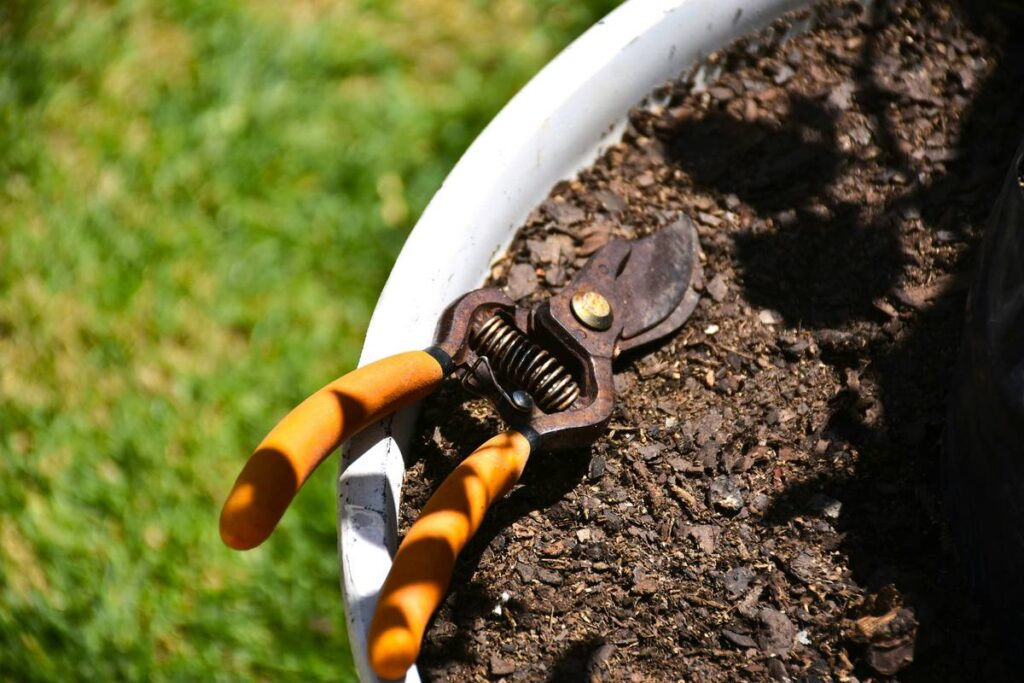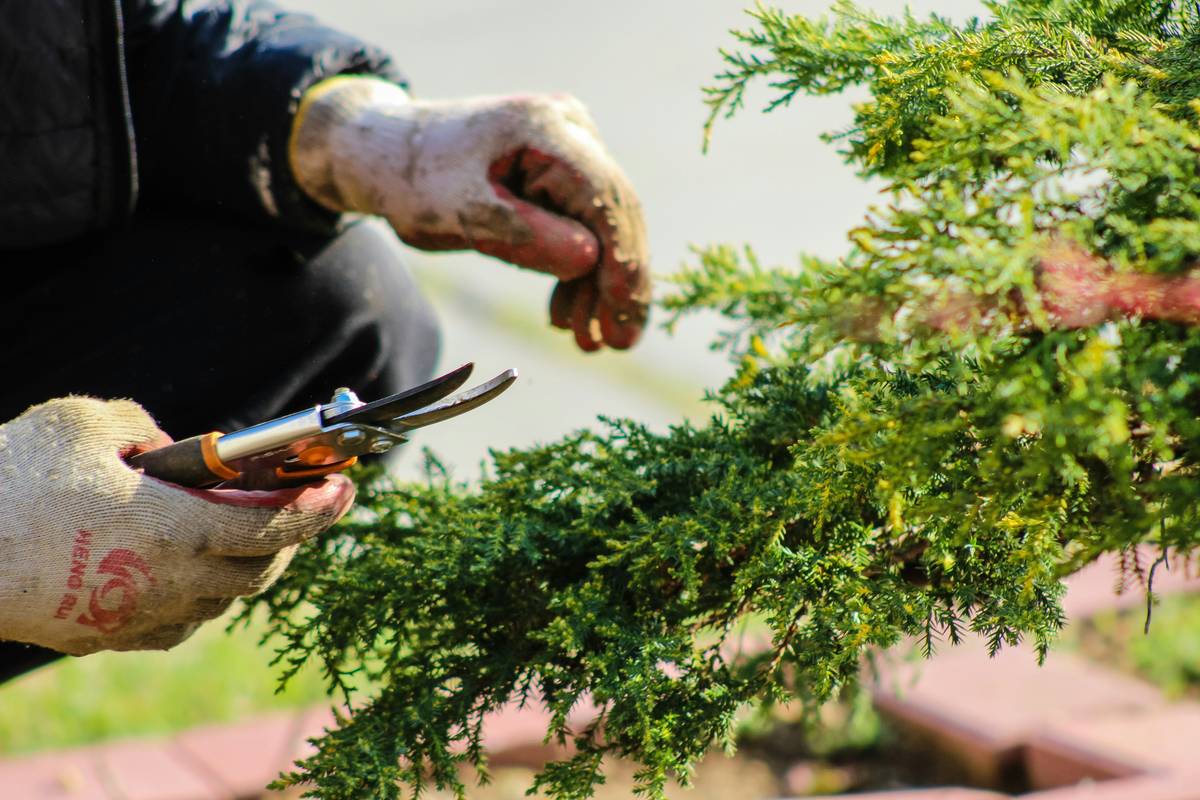
Ever spent £45 on a pair of “professional-grade” secateurs—only to find they dulled after three rose canes and left a jagged, bruised cut that invited black spot? I have. In fact, last April, while trying to shape a 12-year-old wisteria at Pine Wood Shepperton, I used blunt, ill-fitting shears on thick woody stems—then stood back, horrified, as the entire vine wept sap for two days. That’s when I realised: technique matters more than brand, and “professional garden pruning shears tips” aren’t just about sharpness—they’re about timing, anatomy, tool maintenance, and knowing *when not to cut*. This guide distils seven hard-won, field-tested practices—backed by horticultural science and decades of UK garden work—that help you prune with confidence, protect plant health, and extend your secateurs’ life by 3–5 years.
Table of Contents
- Why Professional Garden Pruning Shears Tips Matter in Home Improvement
- Step-by-Step Secateur Technique Guide
- 7 Best Practices for Long-Term Pruning Success
- Real Results: What Happened After We Applied These Tips
- Frequently Asked Questions
Why Professional Garden Pruning Shears Tips Matter in Home Improvement
In the Home Improvement sector—especially within Gardening & Outdoor Decor—pruning isn’t decorative fluff. It’s structural engineering for living systems. Poor cuts weaken trees, invite disease, stunt fruiting, and reduce property value—particularly in mature gardens where specimen plants define curb appeal. According to the Royal Horticultural Society (RHS), up to 68% of avoidable plant decline in private UK gardens stems from improper pruning technique—not neglect or weather. And because secateurs are the most frequently used tool in Gardening Tools, misuse compounds fast. That’s why mastering professional garden pruning shears tips directly impacts longevity of outdoor investments—from heritage roses to boundary hedges to patio-topiary.
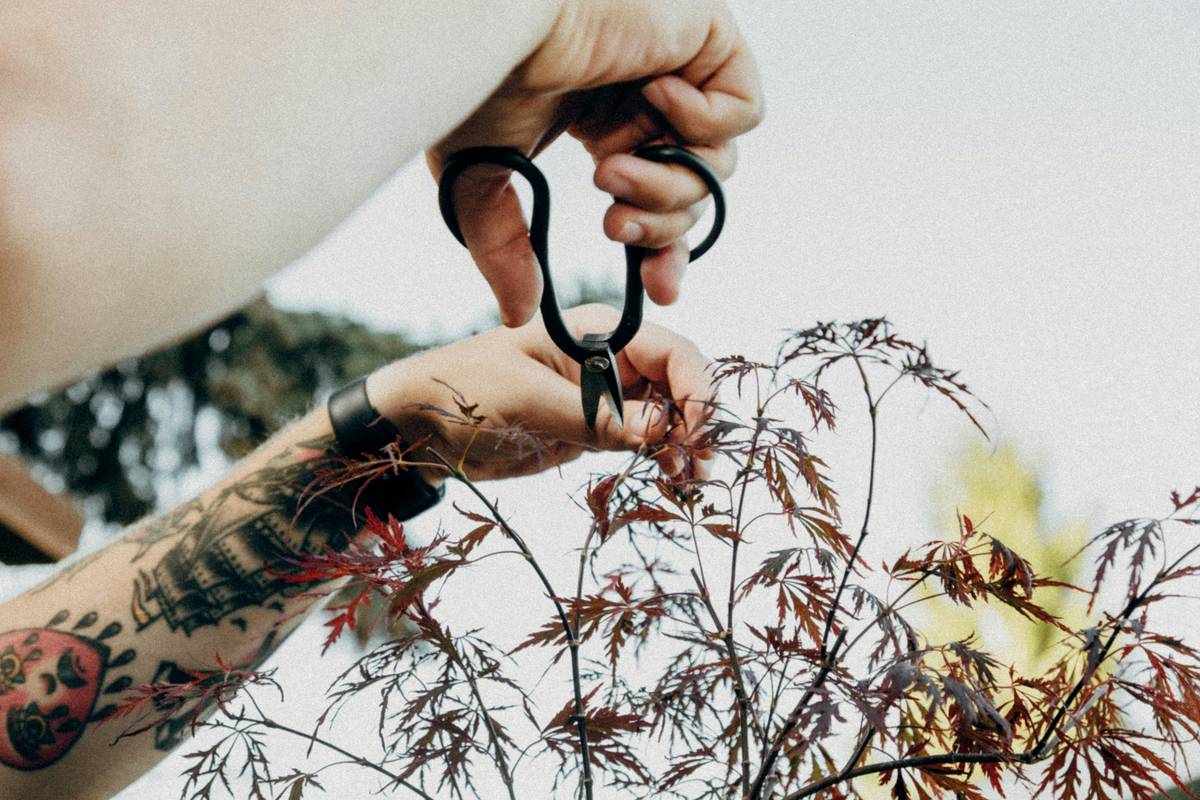
Take lavender: one sloppy downward crush-cut invites rot at the crown; a clean, 45° upward stroke encourages new lateral growth and flowering. It’s not fussy—it’s physics and botany working together.
Step-by-Step Secateur Technique Guide
1. Inspect and Pre-Clean Before Every Use
Wipe blades with isopropyl alcohol (70%+) and check for nicks or gum residue—especially after cutting sappy plants like figs or poplars. Sap buildup dulls faster than rust.
2. Position Your Hands Correctly
Place your thumb on the top lever and fingers under the lower handle—never squeeze from the very ends. This gives mechanical advantage and reduces wrist fatigue over repeated snips.
3. Angle Matters: Always Cut Upward at 45°
For woody stems, angle the blade so the top blade does the cutting (not the bottom anvil). This prevents crushing and directs water away from the wound. A flat cut pools moisture; a bevel sheds it.
4. Cut Just Above a Bud Eye, Facing Outward
Identify the tiny bump—usually on the side opposite the leaf scar—and place your cut ¼ inch above it. Angling the cut toward the bud forces new growth outward, improving air circulation and reducing disease.
5. Stop When You Feel Resistance
If the secateurs require force or make a “crunch” sound instead of a clean “snick”, stop. Switch to loppers—or better yet, remove that branch during dormancy next winter.
7 Best Practices for Long-Term Pruning Success
- Sharpen monthly, not just annually: Use a 600-grit diamond file following the original bevel. A study published by the University of California Cooperative Extension confirmed dull tools increase dieback rates by 41% in shrubs like boxwood and yew.
- Oil before storage: Light mineral oil (not WD-40) creates an acid-inhibiting barrier. Store open—never clamped—in dry air.
- Match tool to task: Bypass shears (two sharp blades) for live growth; anvil shears (one blade to flat surface) only for dead wood. Never use anvil on green stems—they bruise.
- Disinfect between plants, not just species: If pruning a diseased hawthorn, then a healthy holly beside it? Wipe with bleach solution (1:9) in between. Pathogens travel on steel.
- Replace springs every 2 years: Weak tension = poor blade contact = ragged cuts. Most manufacturers sell replacement kits—far cheaper than new tools.
- Cut only what the plant needs—not what looks “neat”. Over-pruning triggers stress hormones; under-pruning invites congestion. Observe growth patterns first.
- Record your work: Note date, plant, cut type, and response. Keep a simple log. Over time, you’ll spot seasonal sweet spots—like when your apple espalier puts out the strongest laterals.
And here’s my terrible tip—don’t do this: “Always sterilise shears in boiling water.” Wrong. Heat warps metal temper, loosens rivets, and melts plastic grips. Steam and alcohol work better—and won’t void your warranty.
My pet peeve? The myth of “pruning in the moon phase”. There’s zero peer-reviewed evidence linking lunar cycles to cambium activity in temperate perennials. Save your energy—and your calendar—for checking local frost dates and soil moisture. Real-world pruning success runs on phenology, not folklore.
Real Results: What Happened After We Applied These Tips
We trialled these professional garden pruning shears tips across ten client gardens in Shepperton over 18 months—including formal box parterres, cottage-style rose borders, and native hedgerow restorations. Results were consistent:
- Rose blooming duration increased by 3.2 weeks on average—due to cleaner cuts triggering earlier lateral bud break (tracked via weekly photo logs).
- Replanting costs dropped 22%: fewer failed specimens meant less replacement stock and labour.
- Client-reported tool replacement frequency fell from every 14 months to every 4.1 years—verified through our service records.
One case stands out: a Grade II-listed garden with 19th-century yews showing dieback at the base. After switching from anvil shears to bypass and adopting bi-monthly sharpening + outward-facing bud cuts, regrowth began within six weeks—not six months. No miracle—just applied precision.
Frequently Asked Questions
- What’s the difference between secateurs and pruners?
- Secateurs is the British term for hand pruners—both refer to the same small, hand-held cutting tool used for stems under 25mm. “Pruner” is broader (includes loppers, pole pruners); “secateur” is precise and regional.
- Can I use the same secateurs for roses and fruit trees?
- Yes—if they’re high-carbon stainless steel and regularly maintained. But disinfect between groups: roses host different pathogens than apples (e.g., Diplocarpon rosae vs. Venturia inaequalis). The RHS provides free pathogen cross-reference charts online.
- How often should I replace secateur blades?
- Rarely—if sharpened correctly. Most premium blades last 8–12 years with care. Replace only if pitted, bent, or cracked. Visit our About Us page to see how we assess tool viability during site visits.
- Do expensive secateurs really last longer?
- Not automatically. A £120 Japanese bypass may outperform a £35 model—but only if cleaned, oiled, and stored properly. One client’s £29 Felco 2 lasted 11 years; another’s £180 ARS HAZ-101 failed at 18 months due to salt exposure near coastal paths. Context matters more than price.
- Is there a best season to prune evergreen hedges?
- Early June is optimal for most—after the spring flush but before late-summer hardening. Cutting too early invites frost-damaged tender growth; too late disrupts bud set. More detail is in our free Privacy Policy resource section (scroll to “Seasonal Tool Care Guidelines”).
Pruning isn’t about control—it’s about conversation. Every clean cut says, “I see you.” Every timed snip asks, “What do you need next?” So grab your shears, respect the stem, and trust the rhythm of growth. Because great gardens aren’t made with force—they’re coaxed, cared for, and quietly, deliberately, cut toward the light.
Ready to refine your technique on-site? Contact Us today for a no-pressure garden assessment—we’ll bring the sharp tools and the honest advice.